Top 5 Reasons a Paper Calendar Still Beats Digital for Some People
In a world dominated by apps, notifications, and syncing across devices, it might seem like paper calendars should have disappeared by now. Yet they haven’t. In fact, many people are returning to them—not out of nostalgia, but because they solve problems that digital tools sometimes create.
This isn’t about rejecting technology altogether. It’s about recognizing that for certain types of thinking, planning, and focus, analog tools still offer advantages that screens struggle to replicate. From improved memory to fewer distractions, paper calendars provide a different kind of experience—one that can feel more intentional, more grounded, and in some cases, more effective.
Paper Planners Let You See the Full Week at a Glance
When you open a paper planner, you see your entire week instantly — no scrolling, no app-switching, no zooming in and out. That weekly overview gives you something digital calendars struggle to match: visual continuity across every commitment, deadline, and goal on a single page.
Research backs this up. Independent raters consistently score paper plans higher in detail, thoroughness, and prioritization. Paper users also complete tasks on time more often, and over 70% report feeling more in control of their schedules.
Digital calendars fragment your attention through endless scrolling and app distractions. Paper eliminates that friction. You can see daily tasks alongside long-term goals simultaneously, freeing up mental energy for actual planning rather than navigation. That clarity directly translates into better decisions and fewer unfinished tasks. Unlike digital tools, paper planners produce no notifications or alerts, meaning your focus remains uninterrupted throughout every planning session.
Why Writing Plans by Hand in a Paper Planner Helps You Follow Through
Writing your plans by hand isn't just a nostalgic habit — it's a proven performance advantage. Research across three studies with over 1,079 participants found that paper calendar users completed 53% of their plans, compared to just 33% for digital users. That's nearly double the follow-through.
The reason comes down to memory encoding. When you write by hand, you process information more deeply than when you type. A 2021 Japanese study confirmed that longhand writing strengthens recall markedly better than digital input. Tactile engagement activates cognitive pathways that typing simply doesn't reach.
Paper users also average five to six completed tasks out of ten, while digital users manage only three. Writing your goals down by hand doesn't just record them — it commits them to memory and drives real action. Using devices for planning also invites digital distractions like email and social media that derail focus before you even begin.
Paper Planners Remove Notifications From Your Planning Time
One of the biggest differences between paper and digital planning isn’t the tool itself—it’s the environment it creates. Opening a digital calendar often means entering a space filled with potential interruptions: messages, emails, app notifications, and social media alerts. Even if you intend to focus, those distractions are always nearby.
A paper planner, on the other hand, is a single-purpose tool. When you open it, there’s nothing competing for your attention. That simplicity can make it easier to concentrate fully on organizing your time. Research on attention suggests that even small interruptions can disrupt focus and reduce productivity.
By removing those interruptions entirely, paper planners create a more controlled and distraction-free planning experience. For many people, that quiet space isn’t just helpful—it’s essential. It allows them to think clearly, prioritize effectively, and make decisions without the constant pull of digital noise.
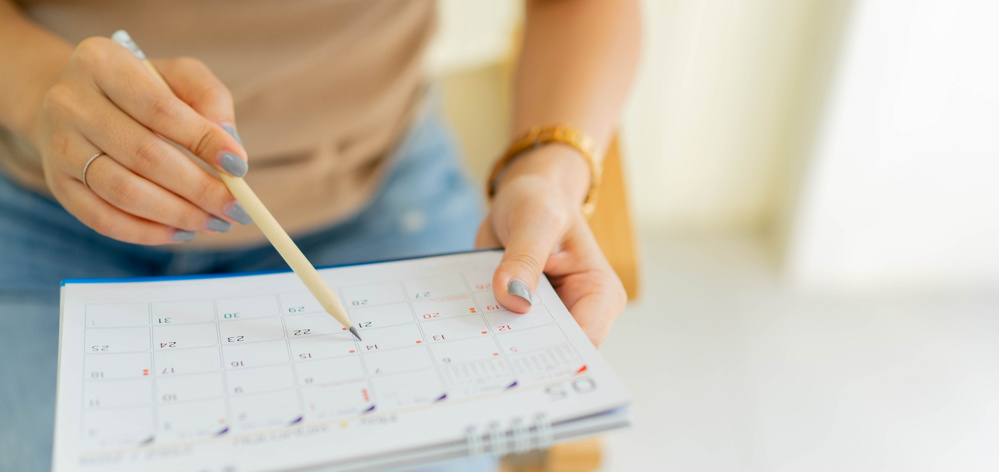
Paper Planners Work Without Batteries or Internet
Another advantage of paper planners is their reliability. They don’t depend on power, connectivity, or software updates. Your schedule is always accessible, exactly as you left it.
This can be especially useful in situations where technology isn’t dependable—during travel, in areas with limited connectivity, or simply when your device runs out of battery. A paper planner continues to function regardless of external conditions. There’s also a passive benefit: visibility. When a planner sits open on your desk or wall, you’re reminded of your schedule throughout the day without needing to check a device.
That constant, low-effort exposure can help reinforce awareness of upcoming tasks and commitments. While digital tools offer convenience and automation, paper provides consistency. It’s always there, always available, and never subject to technical interruptions.
Be sure to check out tools to build your own custom calendars today!
How Paper Planners Adapt to Any Personal Organization System
Unlike digital calendars locked into rigid templates, paper planners bend to fit however your mind naturally organizes information. You can use flexible templates that separate priorities from to-do lists, group tasks by category, or structure your week vertically or horizontally depending on your workflow.
Modular sections let you add brainstorming space, monthly goal reviews, or custom areas like blog schedules and gift tracking. You can stick a note over a tentative schedule before committing it to the page, something no app replicates naturally.
Whether you're a top-down planner who starts with big goals or someone who works category by category across work, health, and finances, paper adapts without forcing you into someone else's system. It gives you clear structure without the rigidity that makes digital tools frustrating. Visual processing handles information up to 60,000 times faster than text, which is why hand-drawn layouts, color-coded sections, and custom symbols on paper can be recognized and absorbed more quickly than navigating digital menus.
Paper Planning Encourages Intentional Time Use
One subtle but important benefit of paper planning is the way it slows you down. Because writing takes more time than typing, you’re less likely to fill your schedule impulsively.
Instead, you tend to think more carefully about what you’re committing to. Each entry requires a small amount of effort, which naturally encourages prioritization. You’re more likely to ask: Is this actually important? Does it belong here?
This can lead to more realistic schedules and fewer overbooked days. Rather than cramming in as many tasks as possible, paper planning often promotes a more balanced and thoughtful approach to time management. In this sense, the “slowness” of paper isn’t a disadvantage—it’s part of what makes it effective.
Paper Planners Create a Tangible Sense of Progress
There’s something uniquely satisfying about physically crossing off a completed task or flipping through pages filled with past plans. That tangible record creates a visible sense of progress. You can see what you’ve accomplished, not just as data, but as something you’ve physically interacted with.
This can be motivating. Instead of tasks disappearing once they’re marked complete, they remain part of a larger narrative—your week, your month, your goals.
Digital tools track progress too, but often in a more abstract way. Completed tasks are archived or hidden, and the sense of accumulation is less visible. With paper, progress is something you can literally see and touch. For many people, that makes it feel more real—and more rewarding.
The Choice Isn’t About Better or Worse—It’s About Fit
It’s important to recognize that paper planners aren’t inherently superior to digital tools. Each has its strengths, and the best choice depends on how you work, think, and organize your life.
Digital calendars excel at automation, reminders, and coordination across multiple people and devices. Paper planners, on the other hand, offer clarity, focus, and flexibility in a more tactile format. For some people, the ideal solution isn’t choosing one over the other, but combining both—using digital tools for scheduling logistics and paper for deeper planning and reflection.
Ultimately, the value of a planning system isn’t in how advanced it is, but in how well it supports your habits. And for many, paper continues to offer a simple, effective way to stay organized in an increasingly complex digital world.
Paper Planning Supports Mental Clarity and Reduced Cognitive Load
Beyond organization, paper planners can influence how mentally “busy” your day feels. Digital tools often require constant interaction—checking notifications, switching tabs, or navigating between views—which can quietly increase cognitive load over time.
Paper simplifies that experience. Everything you need is already visible, and there’s no need to remember where to find it or how to access it. This reduces the number of small decisions your brain has to make throughout the day. When your planning system is straightforward, your mental energy can shift toward execution rather than management. You spend less time figuring out what to do and more time actually doing it.
Some people also find that writing things down externally helps clear mental clutter. Instead of holding tasks in your head, you offload them onto the page, creating a sense of relief and mental space. That clarity can make it easier to focus, especially during busy or high-pressure periods. In this way, paper planning doesn’t just organize your schedule—it can help organize your thinking.
Conclusion
As planning tools continue to evolve, the future likely won’t be purely digital or purely analog—it will be hybrid. But even in a world of smarter apps and automation, the appeal of paper remains grounded in something technology hasn’t fully replicated: clarity, focus, and intentional thinking.
Paper planners aren’t about going backward—they’re about choosing the right tool for the way your mind works. Whether used on their own or alongside digital systems, they offer a steady, distraction-free space to plan with purpose. In the end, the best system isn’t the most advanced—it’s the one that helps you follow through. And for many people, that still starts with pen and paper.