
Top 5 Cult Classic Movies Every Pop Culture Fan Should Watch

Some movies succeed instantly. Others take a different path—quiet releases, mixed reviews, or outright failure at the box office—only to be rediscovered later by audiences who see something everyone else missed. These are the films that don’t just survive over time; they grow, fueled by passionate fans who turn them into cultural landmarks.
If you're looking for cult classics that leave a lasting impression, start with The Rocky Horror Picture Show, Eraserhead, The Room, Donnie Darko, and Evil Dead II. Each of these films built its reputation not through mainstream success, but through dedicated communities, unconventional storytelling, and a willingness to challenge expectations. What makes them enduring isn’t just what’s on screen—it’s how audiences continue to engage with them long after their release.
What Makes a Movie a Cult Classic?
When you think about what separates a cult classic from any other movie, it comes down to a handful of defining qualities. These films typically fail commercially at first, then gain passionate followings through audience agency — fans actively choosing to champion overlooked work. Underground distribution and midnight screenings help spread these movies beyond conventional channels, letting dedicated viewers discover them organically.
What truly defines a cult classic is its unconventional style, subversive themes, and iconic characters that mainstream audiences initially reject. Fans develop a strong subcultural identity around these films, memorizing dialogue, attending themed events, and defending their favorites fiercely.
The devotion isn't passive — it's participatory. Over time, critical reappraisal follows, transforming once-dismissed films into celebrated cultural touchstones that reshape how audiences understand cinema entirely. Many of these films also feature transgressive or experimental elements, such as nonlinear editing, surprising shooting techniques, and nontraditional acting styles that set them apart from conventional filmmaking.
Rocky Horror Picture Show: The Cult Classic That Became a Ritual
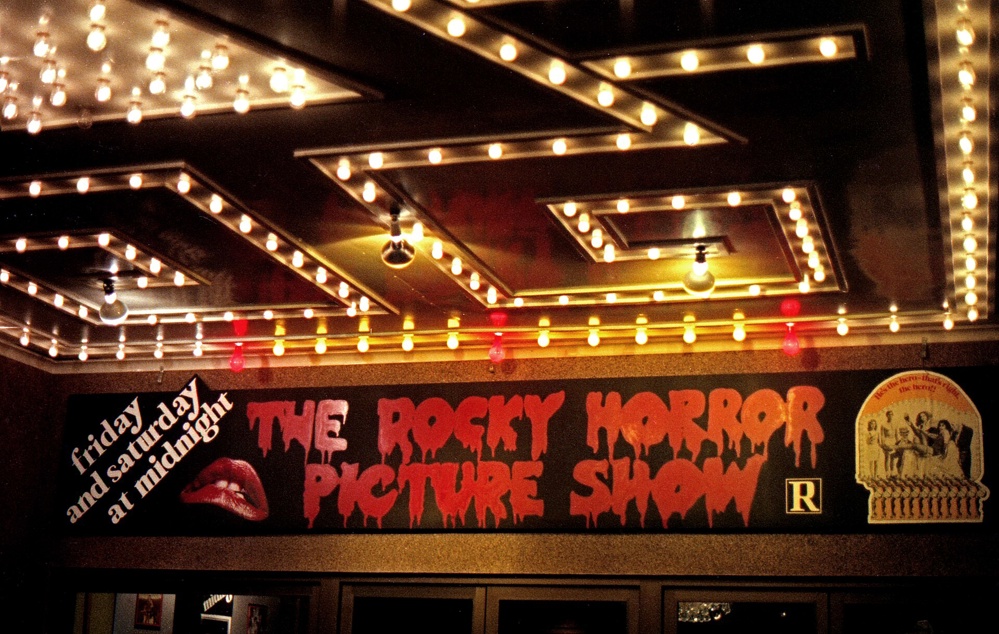
Few films demonstrate the power of audience participation as clearly as The Rocky Horror Picture Show. Released in 1975 to modest reception, it found its identity through midnight screenings that encouraged viewers to interact with the film in real time.
At the Waverly Theater in New York, early audiences began shouting responses to the screen, eventually turning those moments into structured “callbacks.” By Halloween 1976, fans were arriving in costume, transforming screenings into theatrical events rather than passive viewing experiences. Key moments in its evolution include:
- Early audience callbacks emerging during midnight screenings
- The introduction of costumes and themed participation
- The spread of props and rituals through word-of-mouth
- The development of trivia and fan-driven traditions
What began as spontaneous audience behavior evolved into a long-standing cultural ritual. Today, the film continues to screen worldwide, with fans reenacting scenes and participating in a shared experience that blends cinema, performance, and community.
Eraserhead: The Art-House Nightmare That Defined Surrealist Cult Cinema
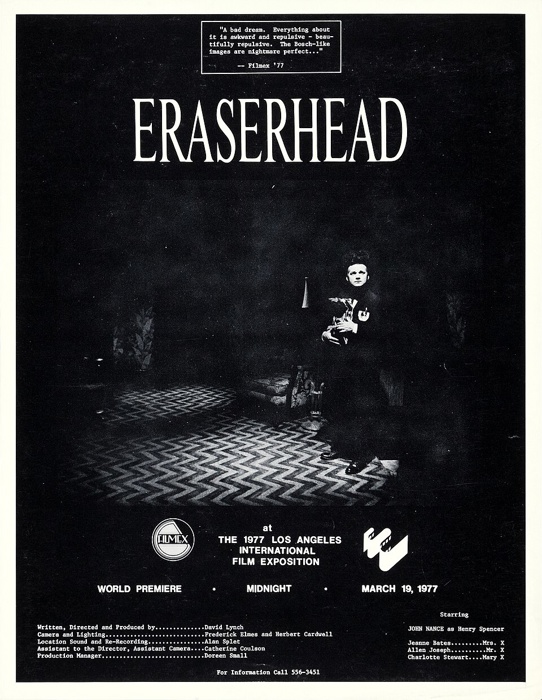
David Lynch’s Eraserhead represents a different kind of cult classic—one built not on audience interaction, but on interpretation and atmosphere. The film follows Henry Spencer as he navigates a bleak, industrial world shaped by anxiety and uncertainty. Its imagery is intentionally unsettling: distorted environments, ambiguous events, and surreal sequences that resist clear explanation.
Rather than offering straightforward storytelling, Eraserhead invites viewers to interpret its meaning for themselves. Themes of parenthood, isolation, and fear emerge through symbolism rather than dialogue, creating an experience that lingers long after viewing.
Initially screened in late-night showings, the film gradually gained attention among art-house audiences. Its reputation grew steadily, leading to its preservation in the U.S. National Film Registry in 2004. Today, it remains a defining example of surrealist cinema and a touchstone for filmmakers exploring unconventional storytelling.
The Room, Donnie Darko, and They Live: Three Very Different Cult Obsessions
Each film rewards you differently through midnight rituals and audio-visual dissonance:
- The Room — Throw plastic spoons at midnight screenings while Wiseau's $6M disaster somehow earned a $30M lifetime.
- Donnie Darko — Chase time-travel theories through October themed events; DVD sales resurrected what theaters ignored.
- They Live — Quote Roddy Piper's bubblegum line, then reconsider every billboard you've ever seen.
- All three — Prove that box-office failure means nothing; obsessive audiences build legacies theaters never could. Wiseau personally paid five years of billboard costs at $5,000 per month just to keep The Room visible near Hollywood's most prestigious venues.
Why Evil Dead II Remains the Greatest Cult Horror-Comedy Ever Made
Those three films prove that cult status gets built through participation — but Evil Dead II takes that idea somewhere wilder. Released in March 1987 through a pseudonymous distributor to dodge an X rating, it opened in just 310 theaters yet accumulated a massive international following that's still growing.
You're watching practical effects and slapstick gore transform genuine horror into something hysterical — a combination that redefined the entire genre. Sam Raimi's direction and Bruce Campbell's antihero charisma as Ash Williams make it feel like campus folklore brought to life, the kind of movie people describe breathlessly before you've even seen it.
Critics consider it superior to the original, and a recent limited re-release nearly sold out, proving its staying power nearly 40 years later. The film ultimately grossed just under $6 million worldwide, a modest theatrical run that only makes its enduring global cult status more remarkable.
Step deeper into the world of movies with more fascinating facts and trivia.
How Cult Classics Shape Pop Culture Beyond the Screen
Cult films rarely stay confined to the moment you watch them. Over time, their influence seeps into wider pop culture, often in subtle but lasting ways. Lines of dialogue become part of everyday language, referenced in memes, conversations, and even other films. A quote like “I have come here to chew bubblegum…” from They Live lives far beyond its original scene, circulating across generations who may not even know its source.
Their visual identity also carries forward. The stark industrial aesthetic of Eraserhead, the camp theatricality of Rocky Horror, or the chaotic energy of Evil Dead II continue to inspire filmmakers, musicians, and designers. These films don’t just entertain—they introduce styles and moods that get reinterpreted across different creative industries.
Perhaps more importantly, cult classics redefine how influence works. They show that cultural impact doesn’t require mass approval. Instead, it can grow from smaller, deeply engaged audiences who champion something unique. In that sense, cult films help shape a version of pop culture that isn’t top-down, but built organically through passion, reinterpretation, and time.
The Role of Fandom in Keeping These Films Alive
Cult classics depend less on studios and more on the people who continue to watch, discuss, and share them. Without sustained audience interest, many of these films would have faded into obscurity. Instead, fans actively keep them relevant by creating spaces where the films can be experienced and rediscovered.
This participation takes many forms. Screenings become events rather than simple viewings, especially for films like The Rocky Horror Picture Show or The Room. Online communities extend the experience further, where fans analyze scenes, debate meanings, and build entire discussions around details that might otherwise go unnoticed. Creative expression—through fan art, costumes, and tributes—adds another layer, turning appreciation into something tangible.
Over time, this kind of engagement transforms the relationship between film and audience. The movie is no longer a finished product—it becomes something that evolves with its community. Each new viewer adds interpretation, energy, and context, ensuring that the film stays alive not just as content, but as an ongoing cultural experience.
Why Cult Classics Still Matter in Modern Pop Culture
Today’s entertainment landscape is shaped heavily by algorithms, franchises, and large-scale releases designed for broad appeal. In contrast, cult classics offer a different path—one built on discovery rather than promotion. They aren’t always immediately accessible or widely marketed, which makes finding them feel more personal.
They also highlight the value of creative risk. Many cult films gained recognition precisely because they didn’t follow conventional storytelling rules. Whether through unusual structure, tone, or subject matter, they push boundaries in ways that mainstream productions often avoid. This willingness to experiment continues to influence filmmakers who want to create something distinctive rather than predictable.
For audiences, cult classics provide a more active viewing experience. They invite interpretation, discussion, and even participation, encouraging viewers to engage rather than simply consume. In a media environment that often prioritizes speed and volume, these films remind us that some stories are meant to be explored, revisited, and shared over time.
Conclusion
Cult classics remind us that cultural impact isn’t always immediate. Some stories take time to find their audience, growing through shared experiences, reinterpretation, and community.
As entertainment continues to evolve, these films remain relevant—not just for what they are, but for how people engage with them. They show that audiences don’t just consume culture; they help shape it. And in that way, cult classics aren’t just movies—they’re ongoing conversations that continue to evolve with every new viewer.