Top 5 DFW Attractions for Travelers
You’ll find some of the Dallas–Fort Worth area’s most recognizable attractions across these five destinations, each offering a different perspective on North Texas culture, history, and scenery. From botanical gardens along White Rock Lake to presidential archives and historic cattle drives, these sites highlight what makes the region distinct for visitors.
Dallas Arboretum: 66 Acres of Year-Round Gardens
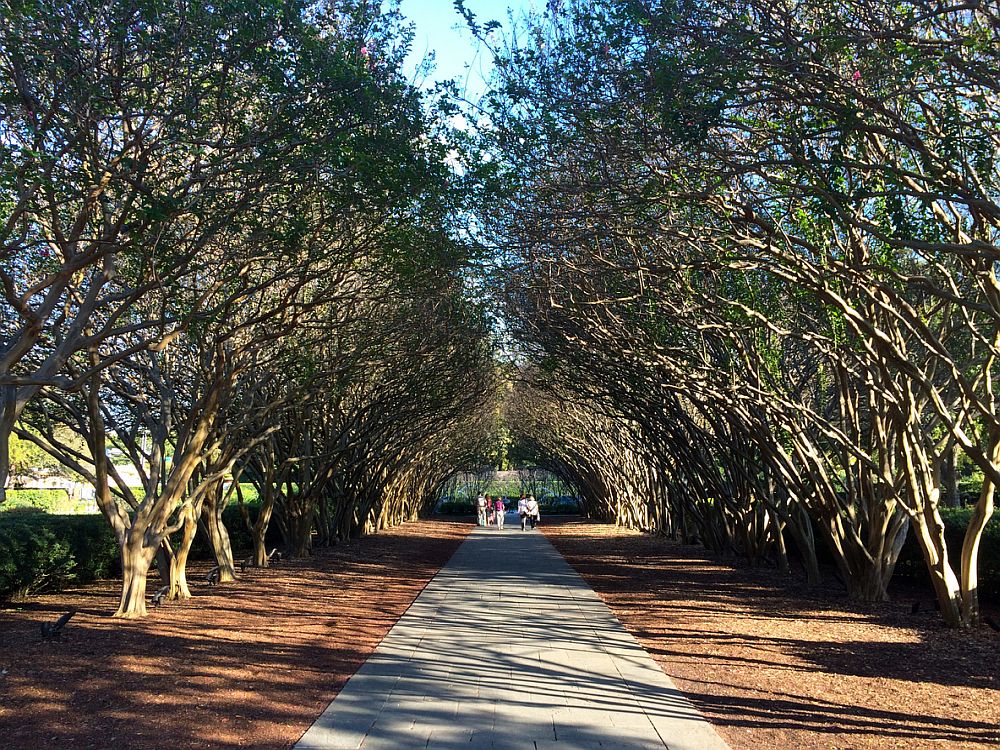
Located along the eastern shore of White Rock Lake, the Dallas Arboretum and Botanical Garden spans 66 acres of carefully curated landscapes that showcase seasonal color throughout the year. The grounds feature multiple themed areas, including the Margaret Elizabeth Jonsson Color Garden, known for its large seasonal displays of tulips, azaleas, and annual flowers.
The Rory Meyers Children’s Adventure Garden, an 8-acre interactive space, offers hands-on science and nature exhibits designed for younger visitors. Seasonal events such as Dallas Blooms, one of the largest floral festivals in the Southwest, draw visitors each spring with hundreds of thousands of blooming bulbs.
The arboretum is widely recognized as one of the top botanical gardens in Texas, offering educational programs, lakeside views, and rotating seasonal exhibits throughout the year.
The Sixth Floor Museum: JFK’s Life, Death, and Legacy
Housed in the former Texas School Book Depository in Dealey Plaza, The Sixth Floor Museum at Dealey Plaza examines the life, presidency, and assassination of President John F. Kennedy.
Visitors move through exhibits on the sixth and seventh floors, which include historical photographs, films, and artifacts connected to November 22, 1963. The preserved corner window—identified by investigators as the sniper’s position—remains one of the most visited features.
The museum’s collection includes tens of thousands of items related to Kennedy’s presidency and legacy, along with oral histories and multimedia presentations that provide context about Dallas in the early 1960s and the national impact of the assassination.
Reunion Tower: Panoramic Dallas Views From 470 Feet
One of Dallas’s most recognizable landmarks, Reunion Tower rises 561 feet above the skyline, with its geodesic dome illuminated at night. Visitors ride a high-speed elevator to the GeO-Deck, located about 470 feet above ground, where 360-degree views stretch across the city.
Interactive displays and telescopes help orient visitors to major landmarks, while indoor and outdoor viewing areas make it accessible year-round. The tower’s LED lighting system creates changing nighttime displays visible across downtown.
While the rotating restaurant once located in the tower is no longer operating, the observation deck remains a popular stop for visitors looking to experience Dallas from above.
George W. Bush Presidential Center and Native Texas Park
Situated on the campus of Southern Methodist University (SMU), the George W. Bush Presidential Center includes a museum, library, and the surrounding Native Texas Park.
Inside, exhibits highlight key moments from the Bush presidency, including interactive features like the Decision Points Theater, where visitors explore real-world policy scenarios. Artifacts include a full-scale replica of the Oval Office rather than the original Resolute Desk, along with items connected to major events of the early 2000s.
Outside, the Native Texas Park features landscaped walking trails designed to reflect the natural ecosystems of Texas, with native grasses, wildflowers, and shaded areas that provide a quieter contrast to the museum experience.
Fort Worth Stockyards: Live Rodeo and Western Heritage
The Fort Worth Stockyards National Historic District preserves the city’s legacy as a major livestock center along the Chisholm Trail. Established in the late 19th century, the area once served as a key hub for cattle drives and rail transport.
Today, visitors can experience twice-daily cattle drives along Exchange Avenue, along with shops, restaurants, and historic buildings that reflect the district’s past. The Cowtown Coliseum, built in 1908, is recognized as the site of the world’s first indoor rodeo and continues to host regular rodeo events.
The district blends preserved architecture with active entertainment, making it one of the most immersive ways to experience Texas Western heritage in the DFW area.
Understanding Where These Attractions Are Located
The Dallas–Fort Worth metroplex spans multiple cities, so knowing where each attraction is located can help you plan your time efficiently.
Dallas attractions:
- Dallas Arboretum and Botanical Garden – East Dallas near White Rock Lake
- The Sixth Floor Museum at Dealey Plaza – Downtown Dallas
- Reunion Tower – Downtown Dallas
- George W. Bush Presidential Center – North Dallas (SMU campus)
Fort Worth attraction:
Fort Worth Stockyards National Historic District – North Fort Worth
Dallas and Fort Worth are about 35–45 minutes apart by car, depending on traffic. Grouping attractions by city can help reduce travel time and make your itinerary more manageable.
How Much Time to Plan for Each Stop
Each destination offers a different pace and experience, so setting expectations helps you plan your day effectively.
Most visitors spend 2 to 3 hours at the Dallas Arboretum, especially during seasonal events. The Sixth Floor Museum typically takes 1.5 to 2 hours, depending on how deeply you engage with the exhibits.
Reunion Tower is a shorter stop, usually around 45 minutes to 1 hour, making it easy to combine with other downtown attractions. The Bush Presidential Center often requires 2 to 4 hours for a full visit, especially if exploring both indoor exhibits and the outdoor park.
At the Fort Worth Stockyards, visitors commonly spend 2 to 4 hours or more, depending on whether they attend a rodeo, explore shops, or dine in the area.