
Top 5 Animated Movies That Influenced an Entire Generation
Animation didn’t become a dominant storytelling medium overnight—it evolved through a handful of defining films that reshaped what audiences expected from it. Across decades, certain movies didn’t just succeed at the box office; they fundamentally changed how animation was produced, written, and experienced.
From hand-drawn experimentation to fully digital worlds, each breakthrough expanded the boundaries of the medium. These shifts weren’t isolated—they influenced entire generations of viewers, filmmakers, and studios. Each one transformed a different aspect of animation, from legitimacy to technology to emotional depth. Together, they tell the story of how animation became one of the most powerful forces in modern pop culture.
How Snow White Proved Animation Could Be a Feature Film
When Snow White and the Seven Dwarfs premiered in 1937, it wasn’t just another animated project—it was a risk that many believed would fail. At the time, animation was largely confined to short cartoons, and the idea of sustaining audience interest for a full-length feature was widely doubted.
Disney’s gamble paid off. The film’s success demonstrated that animation could carry narrative weight, emotional depth, and commercial appeal over a full runtime. It established a storytelling structure—music, character arcs, and visual spectacle—that would become the foundation of animated films for decades.
Just as importantly, Snow White legitimized animation as a serious medium. Its artistic influences, drawn from European illustration and architecture, elevated the visual standard of animated storytelling. From that point forward, animation was no longer a novelty—it was a viable cinematic form capable of competing with live-action films.

How The Lion King Defined the Animated Epic
By the time The Lion King arrived in 1994, animation had already proven itself—but this film expanded its scale. It brought a level of thematic ambition rarely seen in animated features, drawing on classic storytelling structures reminiscent of Shakespearean tragedy.
The film’s success wasn’t just financial—though nearly $1 billion worldwide made it one of the most successful animated films of its time—it was cultural. Its music, characters, and themes became deeply embedded in global pop culture. The Broadway adaptation further extended its influence, demonstrating that animated stories could translate across mediums.
What made The Lion King particularly significant was its scope. It showed that animation could handle large-scale, emotionally complex narratives without losing accessibility. It didn’t just entertain—it proved that animated films could carry the weight of epic storytelling.
How Toy Story Rebuilt the Entire Animation Industry
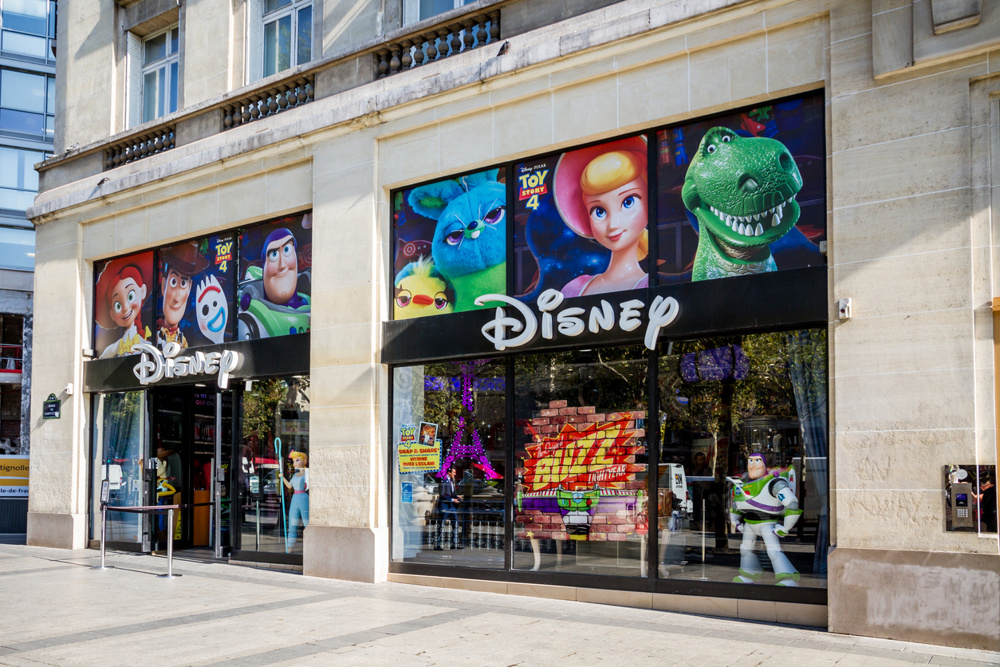
While The Lion King proved animation could deliver the emotional scale of myth, Toy Story blew the entire industry's blueprint apart. Released on November 22, 1995, Pixar's landmark film introduced a digital workflow that eliminated hand-drawn cells entirely, letting animators store characters, sets, and scenes without ever redrawing them.
The rendering revolution came through RenderMan software, which pushed textures, facial expressions, and visual detail far beyond what traditional studios could achieve. You can trace today's CGI-driven industry directly to this shift. Toy Story grossed $361.9 million worldwide, topped the 1995 box office for three consecutive weekends, and prompted Disney to acquire Pixar nine years later.
Other studios rushed to follow, fundamentally abandoning hand-drawn animation and cementing CGI as the industry's permanent standard. The film was shepherded by John Lasseter, Andrew Stanton, and Pete Docter, whose creative leadership at Pixar turned an experimental digital gamble into the defining production model for every major animated studio that followed.

How Shrek Rewrote the Rules of Animated Storytelling
When Toy Story and Pixar locked up animated film dominance, DreamWorks decided to blow up the rulebook entirely. Shrek didn't just compete with Disney — it dismantled the fairy tale formula Disney spent decades perfecting.
Through subversive fairy tales loaded with adult humor and sharp pop culture references, Shrek spoke directly to older audiences who'd outgrown sanitized princess stories. You can trace today's animated landscape straight back to this swamp. Shrek won the first-ever Best Animated Feature Oscar, prompting the Academy to formalize the category entirely. It grossed $484 million worldwide and spawned a franchise worth $2.5 billion.
Competitors immediately copied its irreverent tone and broad appeal. What DreamWorks proved is simple: you don't need Disney's template to dominate animation — you just need to subvert it. The franchise's breakout character Puss in Boots proved so enduringly popular that he carried his own spin-off films, demonstrating how strong character identity could extend an animated universe well beyond its original story.
Check out MrPopCulture.com and learn more about pop culture trends in animated movies.
Why Finding Nemo's Emotional Depth Still Defines CGI Storytelling
DreamWorks proved you could win by tearing apart Disney's formula, but Pixar was busy doing something harder — making you feel things you weren't prepared to feel.
*Finding Nemo* opens with murder. That's not hyperbole — it's parental grief weaponized into a 60-second trauma sequence that defines every anxious decision Marlin makes afterward. Pixar's technical empathy shows up in three deliberate layers:
- Body language and silence carry more emotional weight than dialogue
- CGI crowd simulations pushed hardware limits to visualize mass suffering
- Internal character growth creates tension, not external adventure alone
You're not watching a fish movie. You're watching a father reconstruct himself after catastrophic loss. That's why Nemo doesn't just entertain — it mirrors your own fears back at you with devastating precision. Coral's death is never truly resolved, and the film's emotional power lies in how characters cope and adapt to that irrecoverable loss rather than escape it.
How These Films Shaped Animation Across Generations
Each of these films influenced a different generation of viewers, but their impact extends beyond their original audiences. They became reference points—shared cultural experiences that shaped how people understood animation.
For many, these films served as early introductions to storytelling itself. They established expectations for character development, narrative structure, and emotional engagement. Future filmmakers, having grown up with these works, carried those influences into their own projects.
This generational effect is part of what makes these films so significant. Their influence is not limited to their release periods—it continues to evolve as new creators reinterpret their ideas.
The Evolution of Animation Technology and Style
Taken together, these films trace the evolution of animation technology. From hand-drawn artistry to digital rendering, each milestone represents a shift in how stories are produced and presented.
This progression also influenced visual style. Early films emphasized painterly detail and traditional techniques, while later works embraced realism, dynamic lighting, and complex environments. The transition was not just technical—it changed how audiences perceived animated worlds.
As technology advanced, so did expectations. Viewers began to demand higher levels of detail, realism, and immersion. These films helped establish that trajectory, pushing the medium forward with each innovation.
How Animation Expanded Beyond Children’s Entertainment
One of the most important shifts these films contributed to was the expansion of animation’s audience. For much of its early history, animation was closely associated with children’s entertainment—short, colorful stories designed primarily for younger viewers. While these films were successful, they were often limited by that perception.
Shrek, in particular, played a key role in this shift by openly parodying fairy tale conventions and incorporating contemporary pop culture humor. It didn’t just entertain—it acknowledged the audience’s awareness, creating a more interactive viewing experience. Toy Story, on the other hand, grounded its story in universal themes like identity, obsolescence, and belonging, making it emotionally relevant across age groups.
As a result, animation began to be viewed less as a genre defined by its audience and more as a medium defined by its storytelling potential. Studios started producing films that appealed to entire families rather than targeting children alone. This broadened appeal significantly increased animation’s cultural reach and commercial viability, positioning it as a central force in global entertainment.
The Role of Music, Voice Acting, and Character Identity
Beyond visuals and narrative structure, these films also redefined the importance of sound in animation. Music, voice acting, and character-specific audio cues became essential components of storytelling rather than secondary enhancements.
Voice acting also took on a new level of importance. In Toy Story, performances by Tom Hanks and Tim Allen gave Woody and Buzz distinct personalities that felt authentic and relatable. Similarly, Shrek used celebrity voice casting—Mike Myers, Eddie Murphy, and Cameron Diaz—not just for star power, but to create characters with strong, memorable identities. These voices became inseparable from the characters themselves.
This emphasis on sound contributed directly to the longevity of these films. Dialogue, catchphrases, and musical moments entered everyday language, allowing the films to persist in popular culture long after their release. In this way, sound became a key factor in how animated characters and stories maintained their relevance, reinforcing their impact across generations and media platforms
Conclusion
These five films didn’t just succeed individually—they collectively reshaped animation. Each one addressed a different challenge, from proving legitimacy to redefining technology and expanding emotional depth. Their influence can still be seen in modern animated films, which continue to build on the foundations they established.
The expectations audiences now have—rich storytelling, advanced visuals, and broad appeal—are direct results of these breakthroughs. More than anything, these films demonstrate that animation is not static. It evolves with each generation, shaped by the stories that resonate most deeply. And in that evolution, these five films remain some of the most important milestones ever created.